
Retail is in the Details: How to Plan Extraordinary In-Store Events!
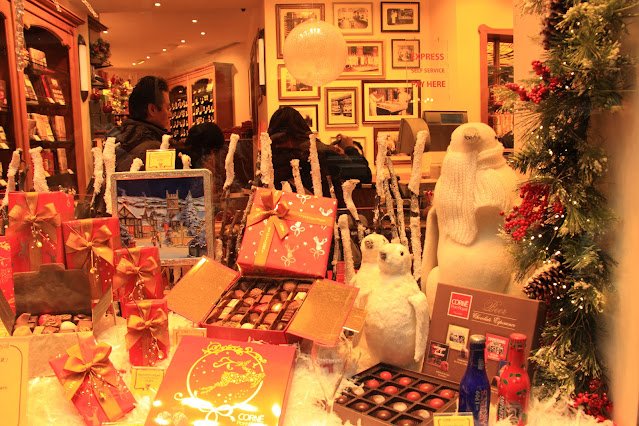
Shoppertainment should really be our middle name. Not because we coined the word – we didn’t – but because we have been spreading its joy since our very first Retail Adventures presentation way back in 1990.
Who doesn’t love a party? A store full of happy shoppers who are having a good time and are eager to buy? To do that, you have to do more than just sell stuff; you must create an in-store experience that touches customers’ hearts and minds as well as their wallets. You can exist by running an occasional sale, and maybe an event or two throughout the year, or you can thrive using in-store events and promotions to connect with your customers.
You need to plan for two kinds of in-store events: Major and Minor. We believe you need to host one major in-store event and two to three minor events each month. A major event is one that builds traffic and packs your store with customers. Don’t confuse a major event with something that takes a long time to plan. A class or fashion show can be a major undertaking, but it’s not a major event unless it attracts potential customers who come to watch and buy something while they’re there. A minor event might be a Saturday full of makit it & takits, demonstrations, and mini-classes. Minor events draw customers to your store but should not take a lot of time to plan or implement. If the concept of events and promotions is new to you, then begin by running one major event and one minor event for each month of the year. If you’re already running events on a regular basis, you can add as many as you are comfortable adding.
Begin your planning process by scheduling a brainstorming session with store associates to gather ideas. In a brainstorming session, there are no bad ideas, and no one gets to say, “We can’t do that.”, “That won’t work.”, or our favorite, “That’s a really stupid idea.” There are no stupid ideas – that off-the-wall comment could be your next big claim to fame when another associate puts a new spin on the idea or combines it with another idea.
Start Your Pencils!
Planning a successful retail event is like planning a wedding or any other major party: you have to dot the I’s and cross the T’s. You’ll want to answer each of the following questions for each event:
Will this event attract customers who already know and love your store?
Will this event bring new customers to your store? Will the new customers it attracts be the kind of customers you want to shop in your store? This is not a trick question. Say, for example, your event includes a chance to win a $500 shopping spree, and you open your doors to find people who are not typically your customers and are not likely to be in the future. What good will a store full of people do for you? Instead, plan your events to attract the poor, misinformed people who need what you sell but tend to shop at your competitors’ stores.
What will you do to entice new customers to return? Bounce-Back Coupons that bring them back next week are always a good idea. Loyal customers love them, too.
What will this event do for your store’s reputation? We know a retailer with a 1700 square foot store who sent a fabulous offer to 3000 customers with this one, tiny stipulation: You must be present to win. 3000 people trying to get into a 1700 square foot store at the same time? You do the math.
Can you handle the increased traffic? Ask Wal-Mart about this one. When 6000 people clogged the aisles to meet a pop princess, how easy was it for new moms who shop there each week to run in and buy diapers?
Now, let’s look at what has to happen to make your event a success. This includes choosing dates, assigning tasks, and scheduling deadlines. Create a Master Plan for each event that details who will be in charge of each task, what needs to be done, and when it needs to be done. Here’s a list to help you get started:
Two Months Before:
Send solicitation letters to vendors requesting merchandise for prizes and giveaways (many have budgets just for this purpose, so ask!). Ask of they’ll help with makit & takits, demos and classes. Drop us an e-mail and we’ll send you vendor solicitation letter and thank-you letter templates you can customize.
Invite local designers to help with demos and make it & take its.
Choose the refreshments you will serve. To be safe, it’s best to go with a caterer.
Begin work on your ad campaign. Will you use newspaper, radio, television, direct mail, email blasts, or ads on social media to back up your bag stuffers, signage, and other in-store advertising?
Review your paperwork to check for any special products or additional items you need to order for the event.
Choose and schedule entertainment. Keep your theme in mind. You might hire a string ensemble for a more formal party or a DJ for a fun, family event. Local high school choirs are usually willing to perform in return for a small gift – one retailer we know donated material for costumes and props.
One Month Before:
Meet with key staff members weekly to review tasks and to make sure that everyone is on schedule.
Follow up with vendors, instructors and demonstrators. Confirm date and time, and arrange for any special needs (electrical, merchandise, etc.).
If you’re short-staffed, you can ask vendors, local clubs, and your best customers if they’d like to help out on event day.
Confirm entertainment and recheck for any special needs (risers, electrical outlets, etc.). Confirm the caterer, re-check the delivery schedule, and servers.
Draw a schematic of your sales floor, noting where to set the refreshments, demonstration areas, entertainment, etc.
Two Weeks Before:
Time to kick things into high gear. Meet with key personnel to review all aspects of the event and to make sure everything is on schedule. If things aren’t progressing as planned, you still have time to make changes.
Use Bag Stuffers to remind customers of your event for two weeks before the event. Don’t let the name confuse you: the secret to a successful bag stuffer campaign lies in how you distribute them. If you pre-stuff them into bags, you’re just wasting paper. Instead, instruct associates to talk with customers about the event, personally placing the bag stuffer in the customer’s hand – it’s like a free 30-second ad. And what’s the cost of distribution? Nada.
One Week Before:
Seven days 'til show time! Build a buzz about town with press releases announcing your event. Make sure you cover all local media outlets.
Prepare a list of in-store specials and events (e.g., grand-prize drawing at 7:00 p.m., demo #1 at 7:15 p.m.).
Talk up your event on your voicemail message.
Verify that vendors and instructors are set for their demonstrations. Check to be sure you have all the products and supplies they will need.
Verify that the entertainment is set for event day. You’ll want them to be in the store and ready to roll the moment you unlock the front door.
Double-check your refreshment order. You know our motto: Food is Good! Remember, it’s better to have too much food than to run out during your event.
Begin preparing your sales floor to accommodate the event, but don’t create open spaces just yet.
Reset your windows, in-store displays, and other store décor for the event – make it fun and festive. Merchandise your speed bump displays to sell. Add impulse items to the cash wrap.
The Day Before:
Less than 24 hours to go! Recheck your Master Plan to verify that all tasks have been completed.
Finalize your floor plan. Move what has to be moved and rearrange what has to be rearranged. Set up all tables and risers, making sure extension cords reach where they need to go.
Hang all the signs and place all the decorations before you leave for the night – get the big stuff ready so that tomorrow all you have to worry about are last-minute touch-ups.
Show Time!
Schedule a pre-opening breakfast meeting with your staff to review everything that will take place during the day. Make sure everyone knows what will happen in the store and what is required of them.
Give everyone a copy of the in-store specials, demos, and drawings. Place copies at the cash wrap, cutting tables, etc., even in the bathrooms.
Greet your guests at the door. Invite everyone to sign a guest book – this stealth marketing trick will ensure you have names, addresses, email addresses, etc., for future events.
Take lots of photographs.
And have fun!
After Your Event:
Schedule a staff meeting to review your event, noting what went well, what didn’t, and what you will want to incorporate in your next event. Give each associate an evaluation to fill out – your team’s candid input is critical to future events.
Record the total sales, customer count, type of advertising, number of associates, vendors, even the weather for the day. Keep this on file to review if you choose to make this an annual event. (Annual events are a good thing because customers look forward to them all year.)
Send follow-up press releases to medias – you want to let people know what they missed. Be sure to include photos – the media loves photos. Videos, too!
Send a personal thank-you letter to the vendors, instructors, customers, etc. who helped out. Letters, not e-mails. And don’t forget to thank your staff.
The time you spend planning your in-store events is as important as the event itself – it’s probably more important. Building a solid promotional calendar and then bringing each event to life is not an easy task. It takes creativity and dedication and sometimes sheer willpower, but it’s always worth your effort. If the task seems overwhelming or you’d just like to talk about events, give us a call. We’ll be happy to help you exercise a little crowd control!